1
Test a Short Section First
Don't commit to a full route on your first visit. Walk 200 meters in, check how the surface feels under your feet, test the handrails if present, and see how your body responds. You'll know immediately if it's right for you.
2
Check Recent Weather
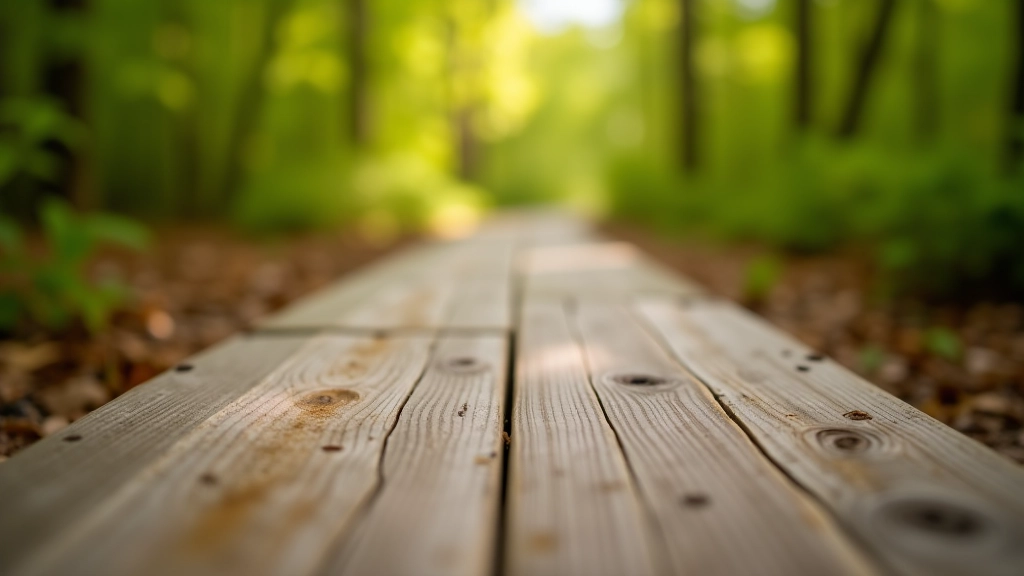
Composite and rubber surfaces grip well when wet, but wooden sections can be slippery after rain or morning dew. Asphalt paths stay more predictable. If it's been damp, stick to the newer surface types or wait for conditions to dry.
3
Wear Shoes with Good Grip
Your footwear makes a real difference. Hiking shoes or trail runners with rubber soles grip composite and rubber surfaces well. Smooth-soled shoes (dress shoes, some sneakers) can slip. Canvas shoes sit somewhere in the middle. Test your usual footwear on a short section before a longer walk.
4
Bring a Friend or Tell Someone
Walking with someone else is more enjoyable and safer. If you're going alone, tell someone your route and expected return time. Most trails have cell coverage, but it's good to have a backup plan.
5
Know Where the Benches Are
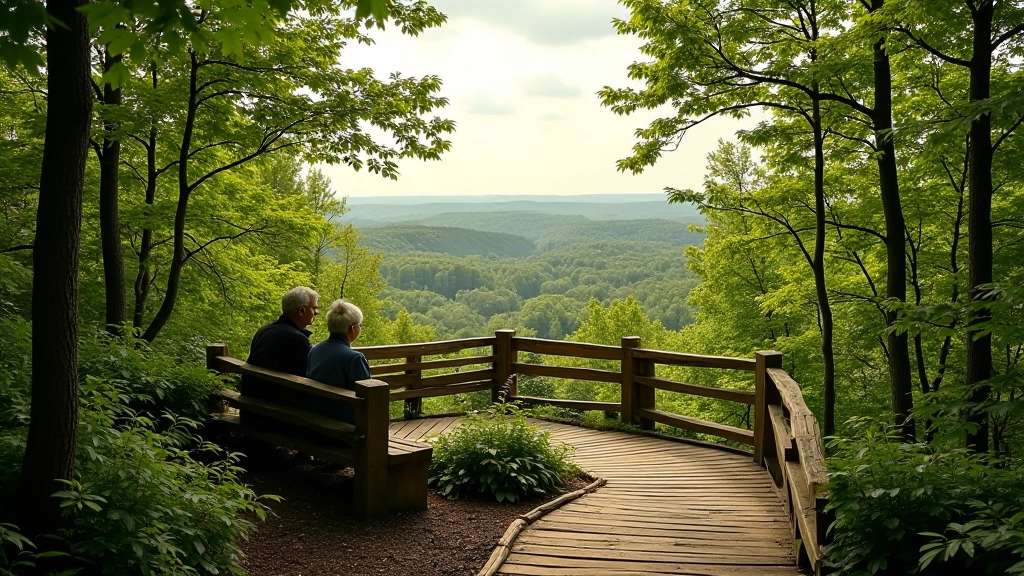
Nearly every accessible route has benches positioned at natural rest points — usually every 200-300 meters. Don't hesitate to use them. Take breaks before you feel exhausted, not after. This makes the whole experience better.
6
Start Slower Than You Think
It's not a race. Slower pace means you notice more — birds, light through leaves, seasonal changes. You'll also give your body time to respond to the uneven terrain (even smooth boardwalks have subtle variations). Speed comes naturally once you're comfortable.