ulmenra Maple Forest Trails Logo Ulmenra Contact Us
Contact Us

Lookout Bench Routes: Where to Find the Best Views

Five strategic viewing points across the park with accessible benches. We've mapped parking, walking times between each stop, and what you'll see during peak color season.

14 min read Beginner August 2026
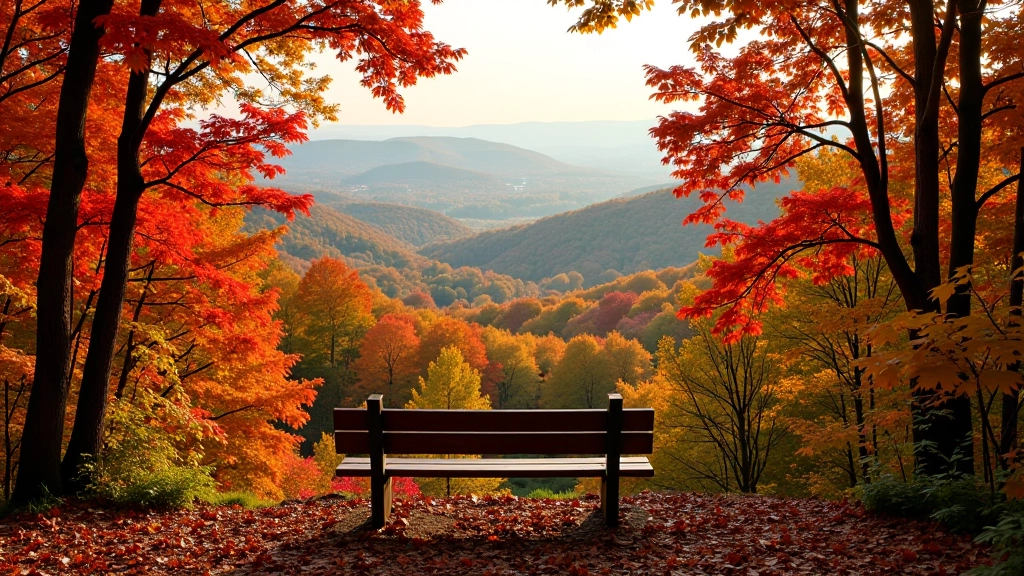
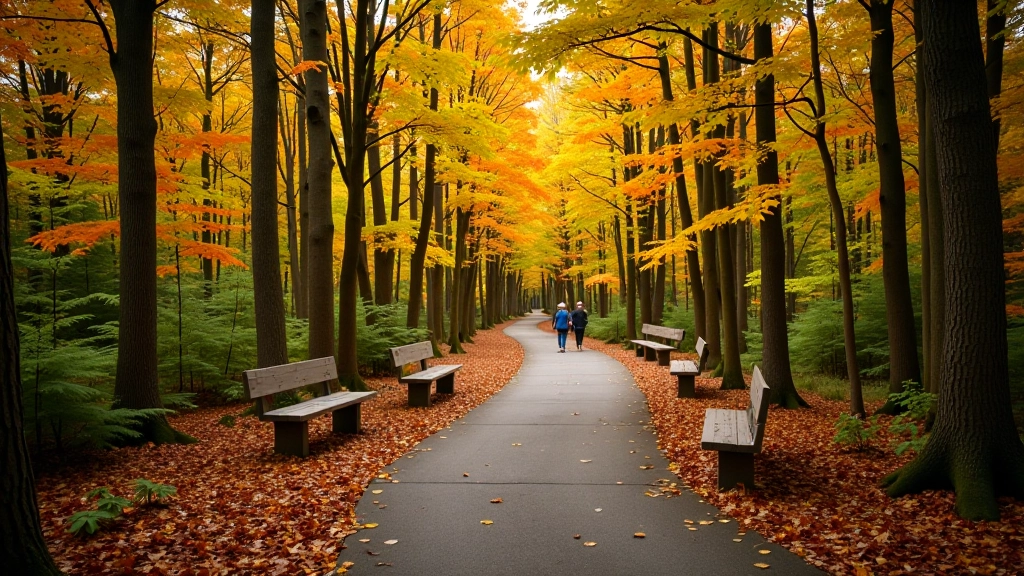
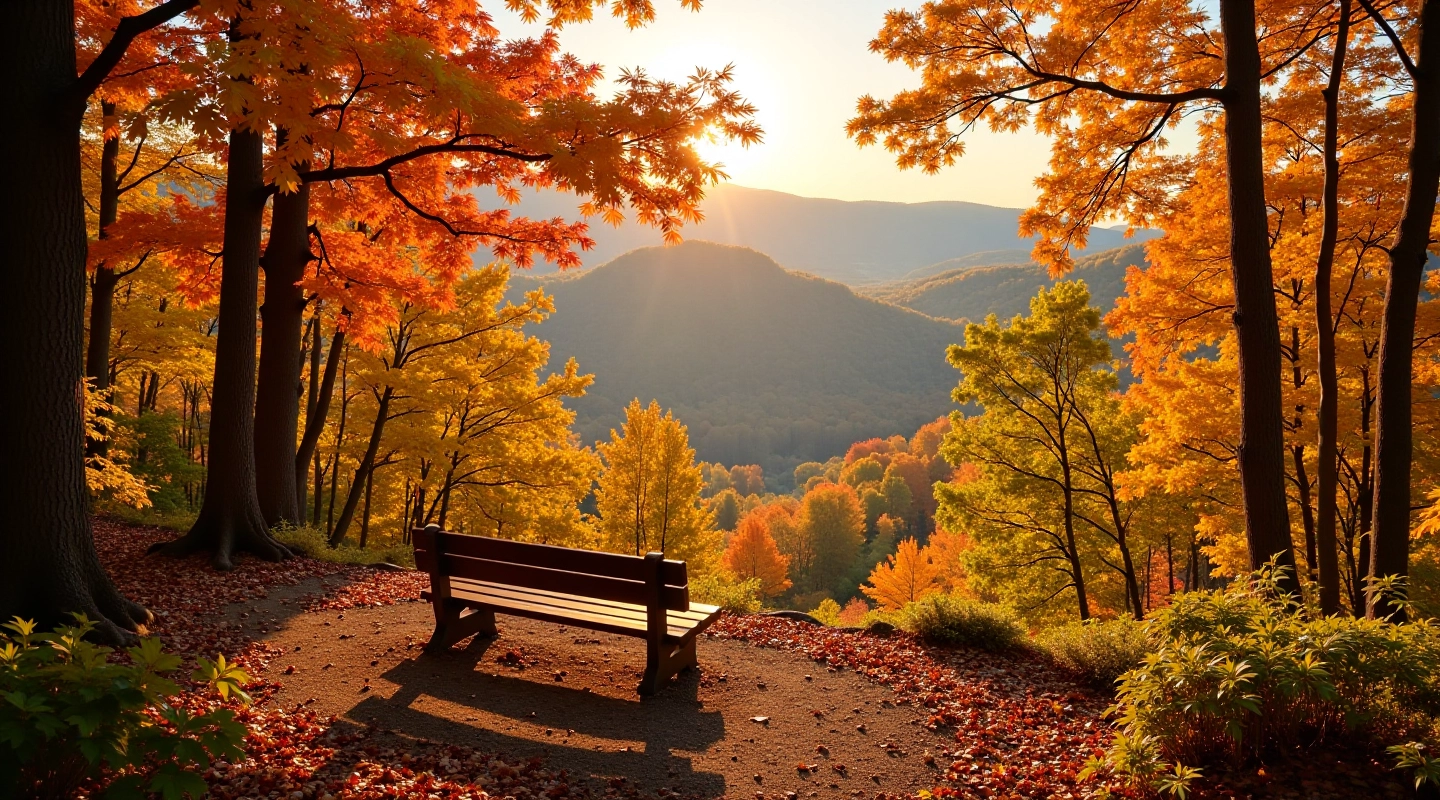
Scenic overlook with wooden benches overlooking maple forest valley during autumn, golden sunlight filtering through canopy

The Best Views Don't Require Hiking Hours

You don't need to be a serious hiker to experience the maple forest from its best angles. The lookout benches scattered across ulmenra Park offer something better — they're places where you can rest, breathe, and actually take in the view without feeling rushed.

We've spent time at each of these five spots, timing the walks between them, noting which parking areas work best, and checking what the sightlines actually look like during different seasons. Peak maple color runs late September through mid-October. But honestly? The benches are rewarding any time of year.

The Five Key Lookout Points

Each bench isn't just a random spot. They're positioned where the forest opens up, where you get real perspective on the landscape. We're talking about the Champlain Lookout bench (the famous one with the valley view), the Ridge Trail overlook near the main parking area, the smaller bench cluster along the ulmenra Parkway scenic route, the woodland rest point on the eastern loop, and the tucked-away spot near the boundary line that hardly anyone finds.

The reason these matter? Distance. Walking from the Champlain parking area to that first bench takes about 12 minutes on a gentle path. Then you've got choices — sit there for an hour, or walk another 18 minutes to the Ridge Trail overlook. The path between them isn't steep, just steady. And the views change completely as you move between benches. That's the real advantage of a route like this.

Walking Times Between Benches

  • Champlain to Ridge Trail: 18 minutes
  • Ridge Trail to Parkway loop: 22 minutes
  • Parkway to Eastern woodland point: 25 minutes
  • Eastern point to Boundary bench: 20 minutes
Wooden bench overlooking maple forest canopy in early autumn, red and golden leaves visible, valley landscape in distance, soft afternoon light
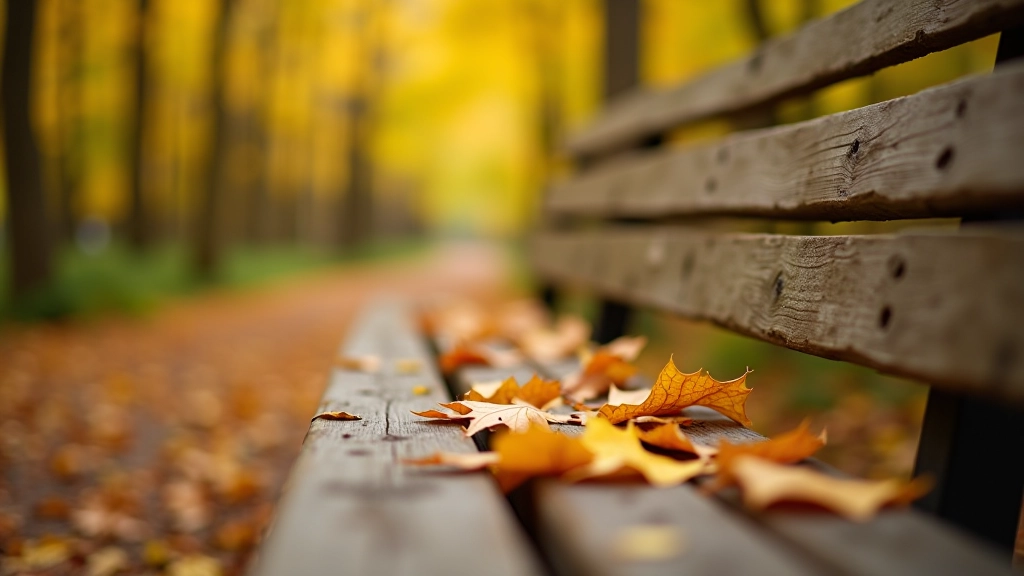
Close-up of weathered wooden bench with autumn leaves scattered on seat, forest canopy overhead, natural park setting, detail photography

Parking and Access Details

Let's be practical. The Champlain Lookout parking area is the biggest — about 80 spaces, well-maintained, with a small visitor center nearby. You're never waiting long. The Ridge Trail has a smaller pullout that fits maybe 25 cars, and it fills up quickly on weekends in October. That's when you'd want to arrive before 10 AM.

The eastern loop parking is honestly the hidden gem. It's only got 15 spaces, tucked away near the boundary road. Hardly anyone knows about it. But the benches near there are quiet, the paths are well-maintained, and you'll see way fewer people. The trade-off is the walk is slightly longer — about 35 minutes to reach the first really good viewing bench from that parking area.

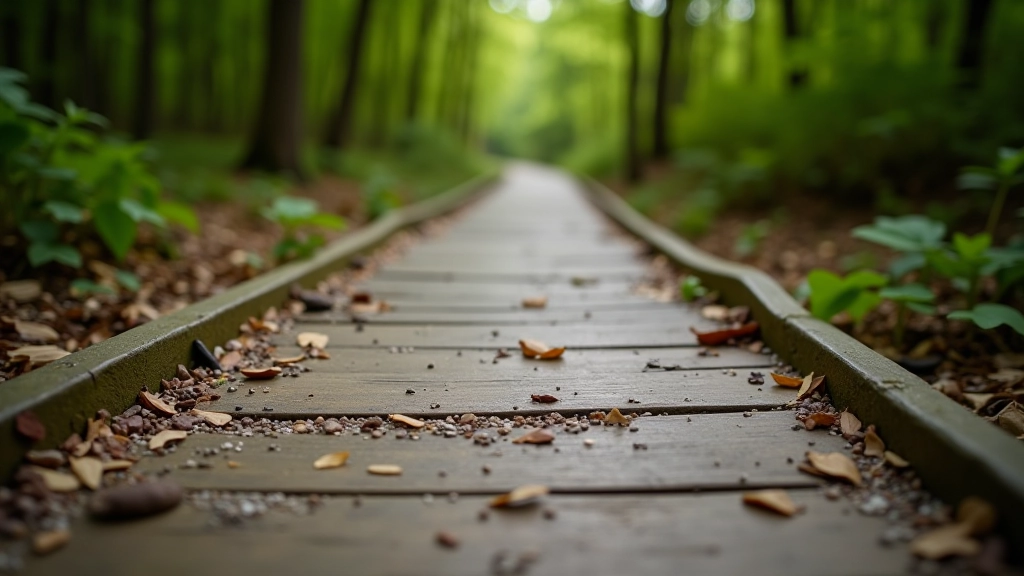
Surface-wise, all five routes use either packed gravel or the wooden boardwalk sections. Nothing requires special footwear. The boardwalks get wet after rain, so grip is something to watch for, but they're treated to prevent slipping. Walking sticks help with balance if you're using them anyway — the terrain doesn't demand them, but they take some weight off your legs on the longer routes between benches.

Before You Visit

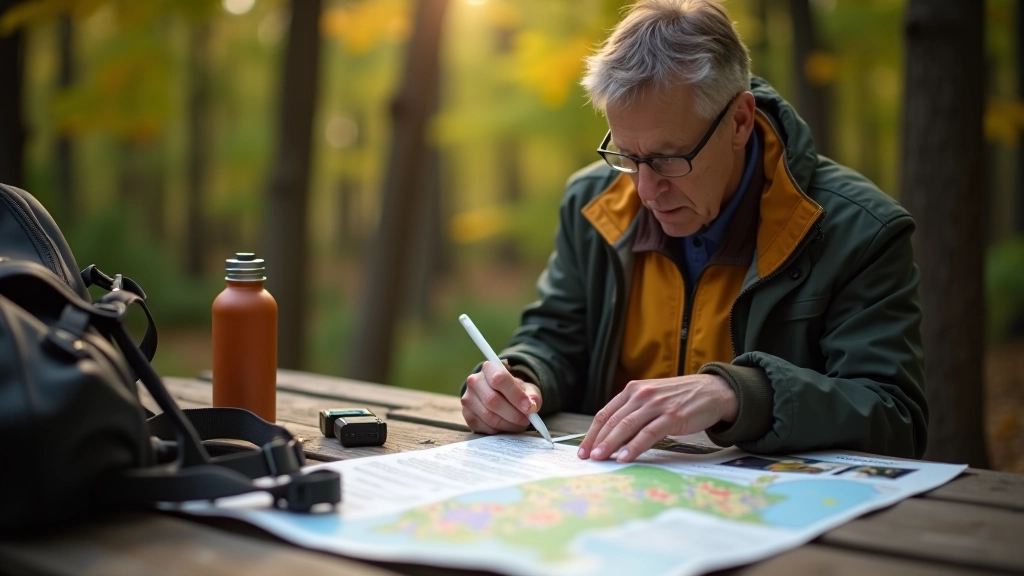
Choose activities that match your fitness level, check local conditions before travelling, and speak with your GP if you have health concerns before starting a new activity. Weather changes quickly in the park — bring a light jacket even on warm days, especially near the overlooks where wind picks up. The benches themselves are sturdy and well-maintained, but if you have mobility concerns, test the steepest section of your chosen route during a short walk first.

What to Expect in Each Season

Fall is obviously peak season. The maples turn brilliant red and gold starting late September. By mid-October, you've got that dense color show that makes the views absolutely worth the walk. The light is softer too — perfect for sitting and just looking.

Summer's different. The canopy is thick green, so you get less dramatic distant views. But the shade is actually nicer for longer sits. The temperature stays cooler at the benches than in the parking areas because of that overhead cover. And the park's less crowded, so you'll have space to yourself more often.

Winter and spring? They're quieter seasons. The views open up more when leaves are gone, so you get clearer sight lines to distant ridges and valleys. It's colder obviously, so dress properly. But the stillness at those benches in winter is something special — fewer people, just you and the landscape.

Timing Your Visit

Arrive early on autumn weekends if you want reliable parking. By 11 AM on a nice October Saturday, the Champlain lot is half full. Weekday mornings — any season — are genuinely peaceful. You could be the only person at a bench for an hour if you choose the right day.

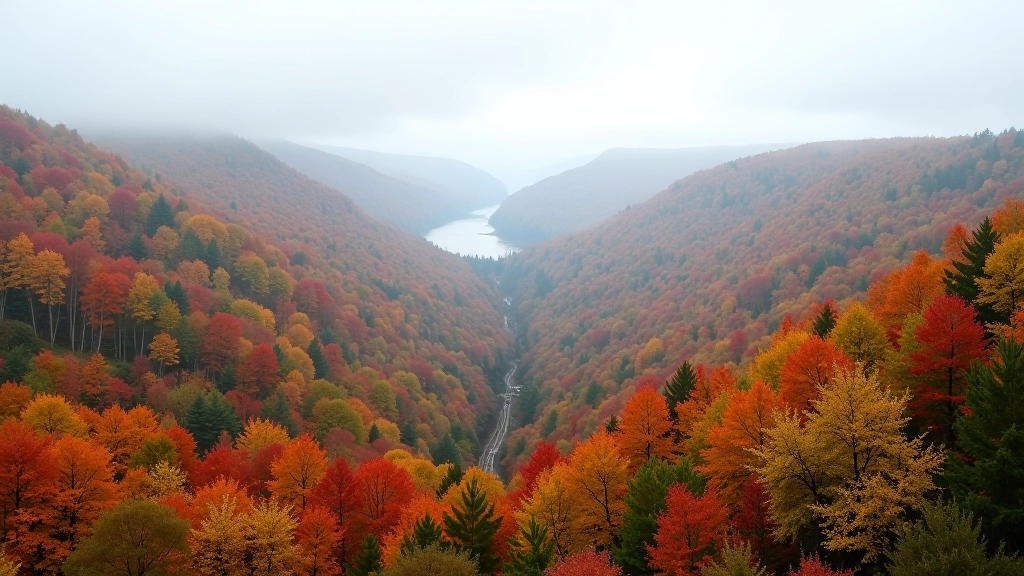
Wide landscape view of maple forest valley with multiple color layers, autumn foliage at peak, valley floor in morning mist, overlook perspective

Building Your Own Route

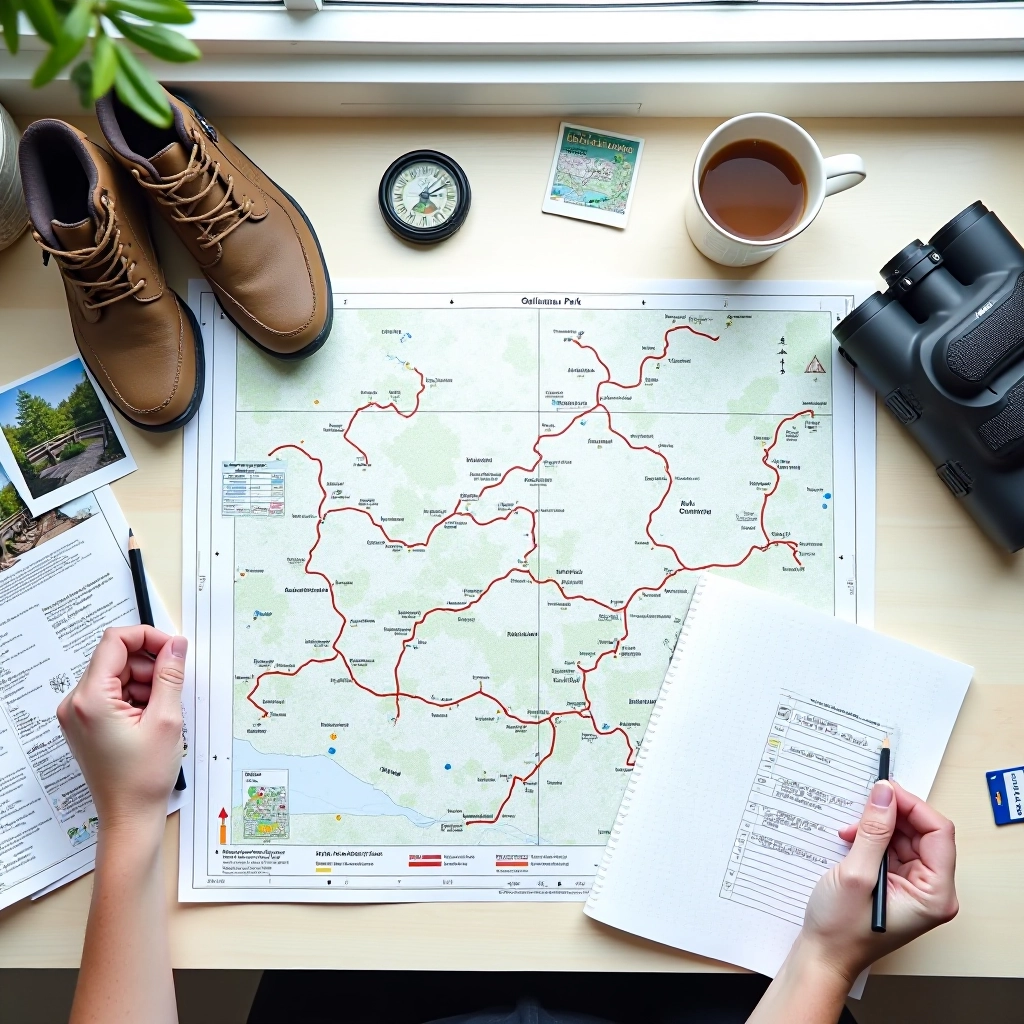
The beauty of knowing these five spots is you're not locked into one path. You can park at Champlain and walk to just that first bench, spend an afternoon there, and call it a day. Or you can build a longer route hitting three or four benches with breaks in between. You could even do a two-bench route in the morning, grab lunch, then explore a different pair in the afternoon.

That flexibility is what makes this approach different from standard hiking guides. You're not trying to summit something or complete a loop. You're looking for places to sit and absorb the view. The benches exist for exactly that reason — to give you comfortable spots where you can actually pause and take it in instead of rushing past.

Start with one bench that appeals to you. See how the walk feels, how the view sits with you. Then expand from there. You'll figure out quickly which routes match your pace and which views you want to return to. That's the real map you're building — your own personal collection of favorite places in the park.

ulmenra Park Trail Guides Team

Ulmenra Park Trail Guides Team

Editorial Team

Written by the ulmenra Park Trail Guides Team, focused on clear, honest descriptions of accessible maple forest trails and rest routes.

Related Routes & Guides