
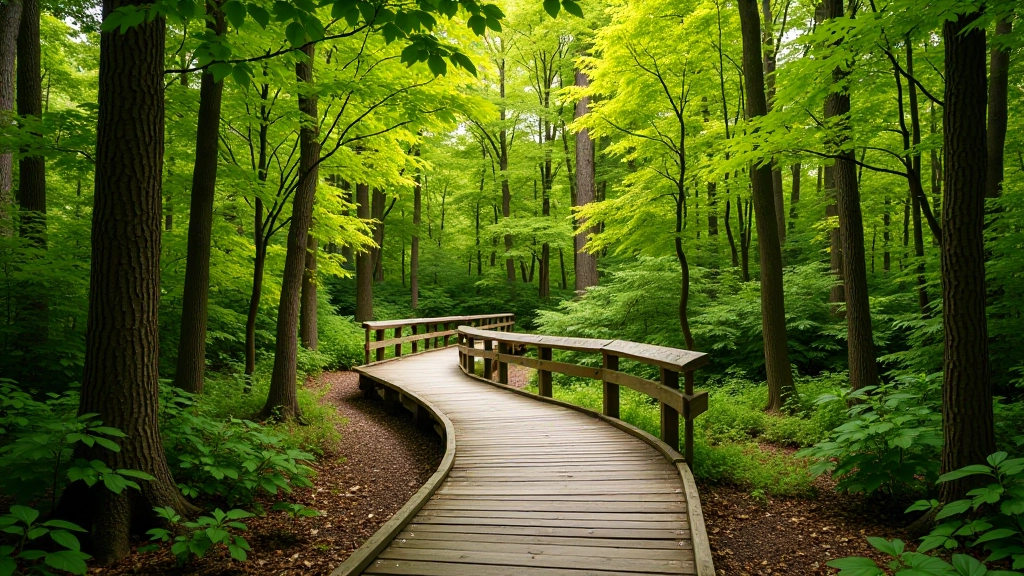
Maple Ridge Boardwalk Loop: A Gentle Route Through the Canopy
This 2.8 km loop winds through mature maple trees with four benches positioned at scenic overlooks. A perfect introduction to the canopy trails.
Read MorePeak foliage typically runs late September through mid-October. We've included seasonal weather patterns, best times to avoid crowds, and a practical packing checklist for comfort.
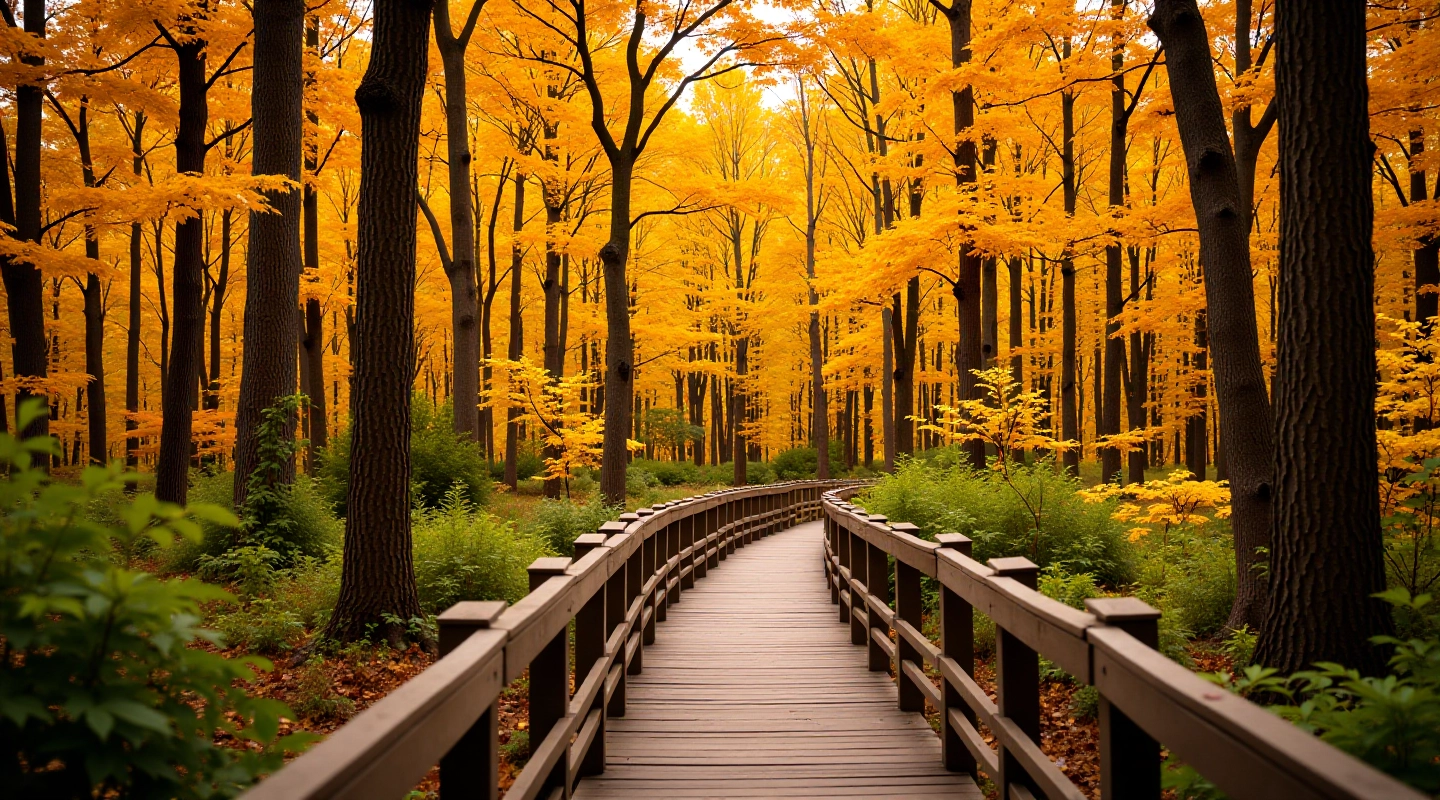
Timing matters when you're planning a trip to the maple forest boardwalks. The trails are open year-round, but each season offers something different. Most visitors come during the fall foliage peak — and for good reason. You'll see why the moment you step onto the boardwalk.
We've tracked the weather patterns and crowd levels across multiple seasons. The sweet spot? Late September through mid-October. That's when the maples show their full color without the summer heat or winter conditions. But here's the thing — if you prefer quieter trails, you've got other excellent options throughout the year.
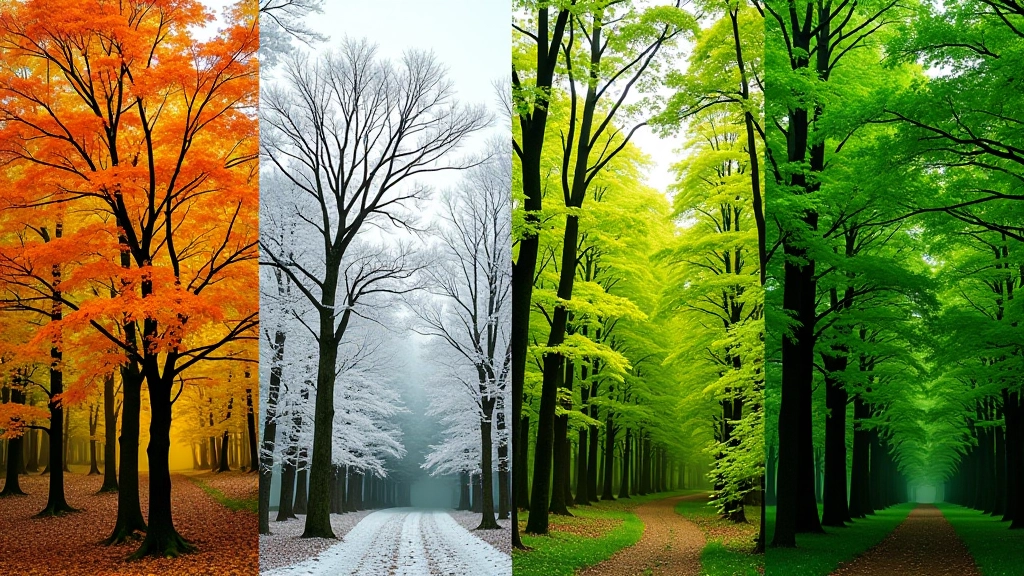
Each season brings different conditions. Here's what you're actually looking at when you plan your visit.
The peak season — and it's packed. Temperatures range from 8–16°C (46–61°F). The boardwalks get busy on weekends, especially the first two weeks of October. Weekday mornings are quieter. You'll see the canopy at peak color, but you won't be alone. Rain's possible but not constant. Most people visit during this window, so if crowds bother you, aim for early September or late October instead.
Wildflowers emerge along the routes, and the boardwalk feels fresh. Temps sit around 10–18°C (50–64°F). Spring is quieter than fall — you'll notice the difference immediately. Mud can be an issue right after rain. Layers help because mornings are cool and afternoons warm up. The canopy is green and lush, not colorful, but the forest is genuinely alive.
Warmest and greenest. Temperatures 18–24°C (64–75°F). The boardwalks are accessible, and families visit often. Humidity can be high. Sun exposure's real — bring hat and sunscreen. Mosquitoes are present, so repellent helps. The canopy creates shade, which makes the trails pleasant on hot days. Early morning visits mean fewer bugs and cooler conditions.
Quietest by far. Temperatures drop to –5–5°C (23–41°F). Snow and ice affect boardwalk conditions. Not all routes are equally maintained in winter. The canopy's bare, but the forest's got a different kind of beauty. If you go, check conditions ahead of time. Proper boots with grip are essential. Wind chill matters more than actual temperature.
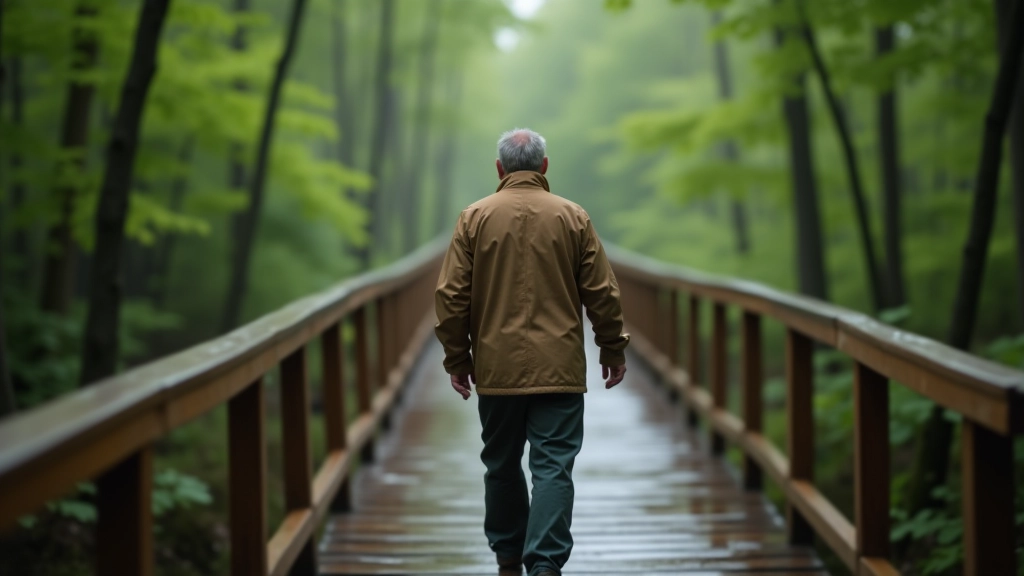
The boardwalks are built to handle rain. That said, conditions change fast in a forest. Here's what the data actually shows.
Rain's frequent but usually light. Heavy downpours are rare.
The canopy offers protection, but exposed areas feel wind more.
Forest humidity's higher than open areas. Breathable clothing helps.
The boardwalks don't flood. They're elevated and well-drained. But after heavy rain, sections can be slippery — especially the lookout benches. A light drizzle? That's actually when the forest smells best. Just bring a jacket and you'll be fine.
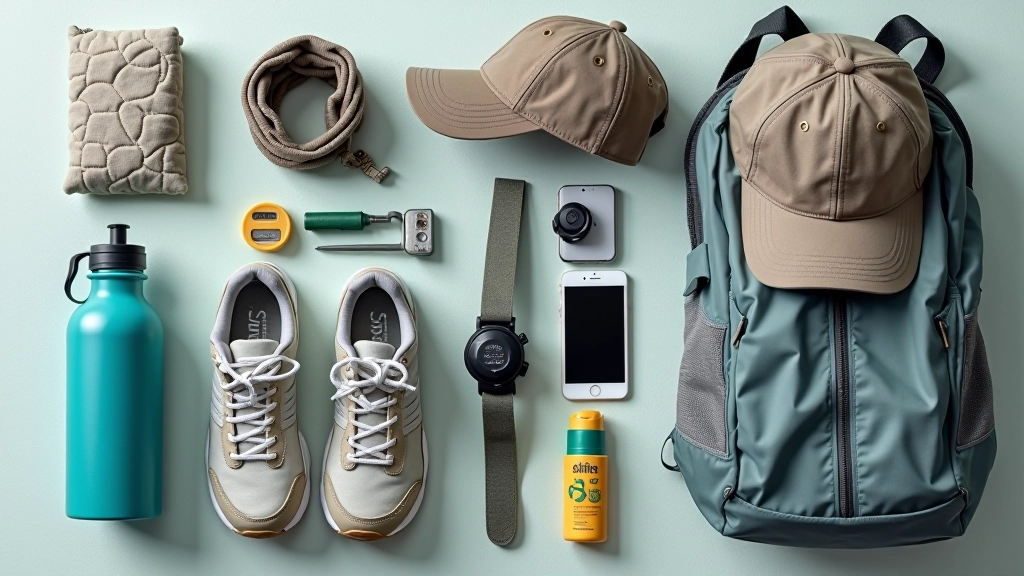
You don't need much, but you do need the right things. We've narrowed it down to what actually matters on the boardwalks.
Peak season crowds happen during specific windows. Here's when the boardwalks are actually quiet.
You'll see maybe 10–15 people per boardwalk section. Most crowds arrive after 11am when people have finished work or school. Morning light's better for photos too. Temperature's cooler. Parking's easier. This is the real sweet spot if you can manage it.
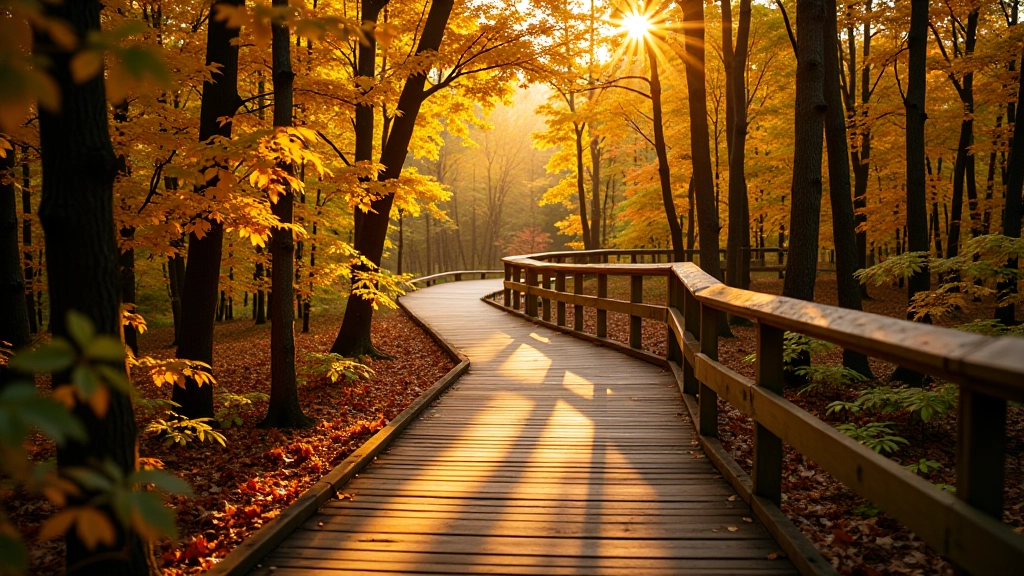
Crowds thin out as families head home. You get golden hour light on the canopy. Temperature drops nicely. Fewer people means you can actually hear the forest — no background chatter. The trade-off? Sunset comes early in fall, so you've got a shorter window before dusk.
You'll practically have the boardwalks to yourself. Summer's still busy but nowhere near fall levels. Winter's genuinely quiet — you might see 2–3 other visitors in an hour. The trade-off's weather: less predictable, colder, potentially icy. But if crowds stress you out, it's worth it.
Holiday weekends in fall (Canadian Thanksgiving, Thanksgiving weekend) are packed. School holidays mean families visit. Saturdays in October? Expect it to be crowded. If you're flexible, choose weekdays. If weekends are your only option, go early — before 10am. You'll still beat most people.
Choose activities that match your fitness level. Check local weather conditions and trail status before traveling. If you have health concerns or haven't been active recently, speak with your GP before starting a new outdoor activity. Weather conditions can change quickly — dress in layers and bring more water than you think you'll need. The boardwalks are well-maintained, but they can be slippery when wet.
The best time to visit isn't the same for everyone. If you love color and don't mind crowds, late September through mid-October's your window. If you prefer quiet walks and don't care about foliage, spring and summer are genuinely excellent. Winter's an option if you're prepared.
Pack what we've listed. Check the weather before you go. Show up early if crowds bother you. And honestly? Once you're on the boardwalk, none of it matters. The canopy's there either way. It's beautiful in October, peaceful in June, stark and elegant in December. Pick your timing, bring the right gear, and go walk through the maples. You'll understand why people keep coming back.
Back to All Trails
About the Author
Editorial Team
Written by the ulmenra Park Trail Guides Team, focused on clear, honest descriptions of accessible maple forest trails and rest routes.
Discover other accessible routes through the maple canopy
This 2.8 km loop winds through mature maple trees with four benches positioned at scenic overlooks. A perfect introduction to the canopy trails.
Read More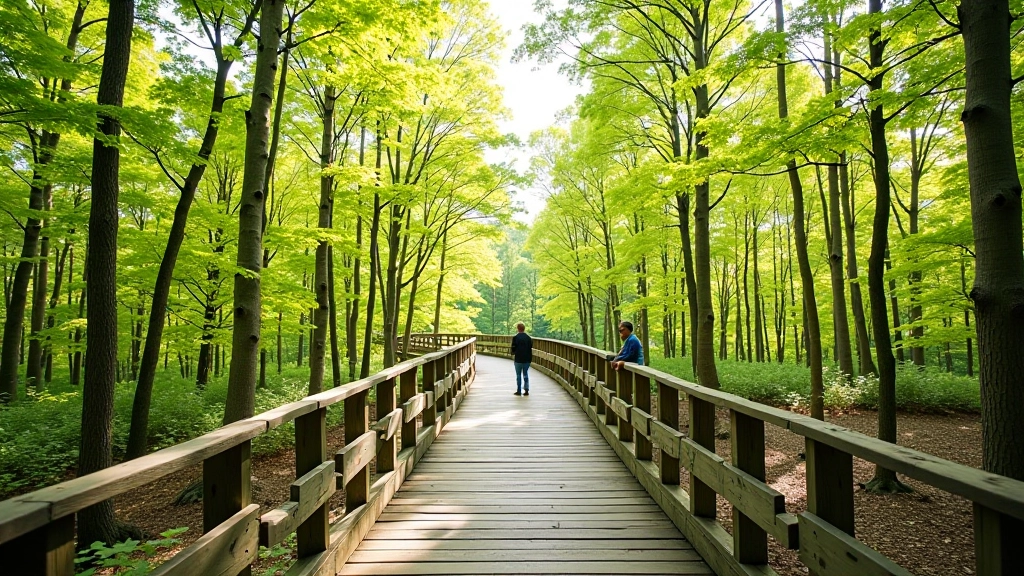
Five strategic viewing points across the park with accessible benches. We've mapped the routes between each lookout with rest stops and shade.
Read More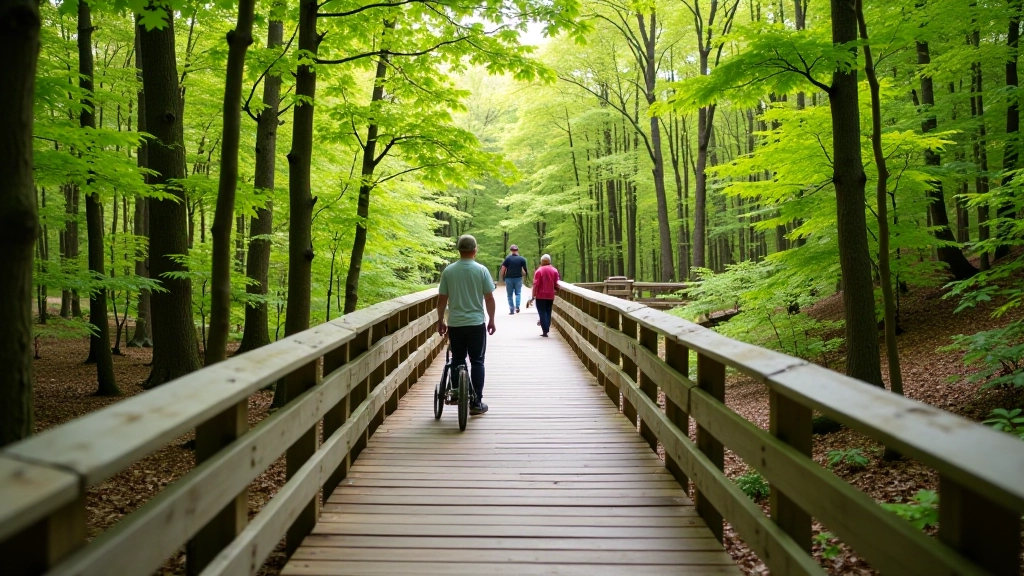
Not all boardwalks are the same. This guide covers boardwalk surfaces, width variations, slope grades, and accessibility features across different routes.
Read More